Showing posts with label future of workers' compensation. Show all posts

Monday, March 10, 2025

The Future of Workers’ Compensation: Changing Times, Persistent Issues


At a recent personal injury/disability management conference, a panel moderator told delegates, “The topics on our agenda today are strikingly similar to those on the conference agenda from a decade ago” (Rebecca Harris, GM Regulatory Services WorkCover WA at PIEF Conference, Perth:  October 2024 [paraphrased]).     


Her statement resonated with my own experience attending workers’ compensation conferences in each of the past five decades.  Many of the issues facing workers’ compensation systems are perennial; the relative priority and details change with the times, but the themes are enduring. 


The lead agenda items from the 1954 International Association of Industrial Accident Boards and Commissions (IAIABC) Conference 70 years could appear on any workers’ compensation conference held today: 

  • Rehabilitation of Injured Workers
  • Problems and Methods of Handling Small Risks and Excluded Employees Who May Want Voluntary Coverage
  • Adequacy of Workmen's Compensation
  • Occupational Cancer Hazards

The keynote speaker at the 1954 IAIABC conference in Quebec was the then Under Secretary of the U. S. Department of Labor, Arthur Larson.  The conference was themed around “Workmen’s Compensation Problems” and Larson’s keynote was entitled “The Future of Workmen’s Compensation”. 


Larson had recently completed his master work on workers’ compensation law (Larson, A. (1952) Workmen’s compensation law. Matthew Bender) and was concerned about the deficiencies and inconsistencies in the current (1954) state of workers’ compensation.  Many of those concerns align with issues facing workers’ compensation in 2025.


Inconsistent Benefits Across Jurisdictions.


Variations in coverage across states and provinces were “a grave and growing concern” for Larson.  The variation in the compensation rate for temporary disability, the absence of full indexing of permanent benefits, and uneven compensation for fatalities are contemporary issues in today’s workers compensation landscape.  Larson was aware of the legislative differences among US states and Canadian provinces (acknowledging greater consistency in Canada) and some of these differences were highlighted in his speech.    


Coverage Gaps


Larson noted, “Elective-coverage provisions, and hazardous-employment requirements, inspired by ancient fears of unconstitutionality, have long since been proved unnecessary… but remain with us to deprive large numbers of people of needed protection.”  His comments were focused on agriculture, small business workers, and many occupational diseases not covered. Gaps in coverage continue to exist.  In Canada, where half the jurisdictions cover well over 90% of the employed labour force, six jurisdictions cover a far lower percentage (ranging from about 70 to 80%) of the employed labour force. In the US, there are gaps in coverage for gig workers, independent contractors, and remote workers face uncertainty in coverage.


Inadequate Benefits & Duration


Larson was very concerned about equity.  He states, “A system which has been assigned the function of taking care of income loss due to industrial disability has no right to stop payments to a totally permanently disabled man after 8 or 10 or 15 years.”  Today, the growing participation rate of older workers and increased longevity accentuate the inequity of age-limited compensation; compensation for catastrophic injures is inadequate in many jurisdictions.  Although all but one Canadian province has eliminated waiting periods and most provide wage replacement at 85-90% of net (spendable) earnings, many US jurisdictions limit benefits through maximums on payments or insured earnings forcing workers to bear much more of the financial loss than the grand bargain of workers’ compensation was supposed to provide.


Medical & Rehabilitation Challenges


In Larson’s 1950’s context, there was a burgeoning of medical and rehabilitation knowledge.  “Entire new worlds of knowledge have been opened up on such matters as physical and vocational rehabilitation, and medical techniques for minimizing the disabling effects of injury, with relatively little parallel development of compensation law.”  His concerns are echoed today where many jurisdictions provide little or no access to vocational rehabilitation.  Critics often complain about the lag in workers’ compensation recognizing certain medical treatments including the use of medical marijuana and psycho active drugs; rules regarding treatment and care particularly for mental injuries and limits on graduated return-to-work initiatives often seem arbitrary and inconsistent with the nature of mental injuries in particular.


Externalization of costs  


Larson emphasizes the need for workers’ compensation to pay for the costs of work-related injury, disease and death. He opposes externalization to public assistance or other social insurance.  This also speaks to the adequacy and sufficiency of the benefit levels paid to workers.  Larson was clear,  “The products of this area are sold all over the world ; the cost of workmen's compensation goes into the price of these products and is borne by consumers everywhere; yet the voters and property owners of that city and State go on bearing the cost of public relief in the form of local taxes for a burden that is supposed to be borne by the consumers of the product.”


Federalization versus State/Provincial Control


Larson believed workers’ compensation was best administered at the state level. He noted Canadian provinces were strongly oriented in this fashion.  State/provincial control of workers’ compensation is not universal; the US, Canada, and Australia are the exceptions to the general rule of national programs.  Larson cited from his previous speech in Boston on the same topic:  


"We should adhere to State responsibility for the system, and not succumb to the temptation of federalization… I believe that workmen's compensation should remain a State matter”


Larson decried the disparities among jurisdictions, particularly those providing the least coverage. There have been efforts at harmonizing compensation  or establishing national standards (see John F. Burton’s 1972 Report of the National Commission on State Workmen’s Compensation Laws), but as I have shown in previous posts, few US jurisdictions meet or exceed its recommended levels of compensation.  Other comparative studies of workers’ compensation laws report the differences and make disparities quite apparent, but don’t set standards (see tables at AWCBC.org, Comparison of Workers’ Compensation Arrangements in Australia and New Zealand 2023, NASI’s Workers’ Compensation Benefits, Costs and Coverage – based on 2022 data, particularly Appendix D, which summarizes IAIABC/WCRI’s report on State Workers’ Compensation Laws).


Extraterritorial & Jurisdictional Issues


As Larson put it, “Interstate operations, in transportation, construction, selling, and the like have increased greatly, while compensation provisions on extraterritorial coverage and jurisdiction remain as chaotic and jumbled as ever.”  With remote workers, mobile workers, and now digital nomads working from remote cabins, cruise ships, and caravans through satellite access, the concept of the “workplace” has changed dramatically.  More workers travel across jurisdictional lines from home to work, and some have multiple jobs in two or more jurisdictions.  Questions regarding jurisdictional issues remain with many concerns over workers falling through the cracks in coverage or being overwhelmed by the jurisdictional requirements.  Many are forced to elect the jurisdiction to consider their options and complete forms at a time when they simply need treatment and funding to survive.  While there are some inter-jurisdictional agreements (see AWCBC-IJA as an example), there are still gaps including those digital nomads, remote workers working outside of or across multiple jurisdictions.


The Role of Public Assistance & Safety Nets


“Workmen’s compensation was supposed to make public assistance unnecessary; but in some areas a considerable fraction of compensation recipients are driven to seek public assistance to bring their benefits up to a subsistence level.”  Larson saw the policy ideal but recognized compensation levels were often inadequate.  The consequences include inconsistent rules regarding access to other social insurance schemes, reduced benefits and offsets as well as confusing differences across jurisdictions remain.   


Workplace Safety & Emerging Risks


Larson’s speech predate OSHA’s formation in 1971 so his focus was more on the insurance side of workers’ compensation.  He certainly was aware of workplace safety and the need to identify emerging risks.  “New diseases and new hazards have come with new industries and processes,” said Larson, noting that legislation makes little or no provisions for quick adaptations and inclusions, noting only “piecemeal amendments and sporadic revisions”.  Transportation network “gig” workers did not exist in the past and we are in the midst of deciding jurisdiction by jurisdiction whether the workers in this industry will be in or out of coverage.  Occupational disease coverage remains a contentious issue with uneven coverage, especially for conditions like PTSD and long-latency illnesses (e.g., cancer, long COVID). Larson would recognize the challenge Covid-19 created for workers’ compensation systems; whether he judge the response in terms of new presumptions a consistent response is open to debate.


Purposeful Leadership and Focus


Larson sought to inspire the leadership of workers’ compensation systems present at the Quebec conference.  He understood the need for greater understanding in the broader community about the purpose of workers compensation. “I would like to see the name of the whole system changed from Workmen's Compensation to Workmen's Restoration …. The purpose would be to dramatize the fact that the system no longer should be satisfied to "compensate" in the sense of paying off or buying off the injury; it should now recognize an obligation to make the injured workman whole, to restore him to health and useful employment, through careful medical attention, and through systematic physical and vocational rehabilitation.” 


While no system has adopted Larson’s proposal, many have renamed their systems or significant programs under their legislative mandate to align with his intent, shifting the focus away from compensation and towards prevention and return to work.  The “WorkSafe” moniker (emphasising these authorities’ roles in occupational health and safety both in primary prevention and safe return to work) has been adopted in British Columbia and New Brunswick in Canada, Victoria and Tasmania in Australia, and by some specific programs run by or with the workers’ compensation programs in Montana and Saskatchewan. South Australia’s WorkCover corporation rebranded in 2015 as ReturnToWorkSouthAustralia. [Larson would likely approve]. 


Recurring themes


At that recent PIEF conference, Rebecca Harris moderated a “Leadership Perspective” panel.  The discussion included the need for “purposeful leadership” and the need to engage stakeholders, increasing their understanding of workers’ compensation and the issues we collectively face, and the need moral authority/ social capital to operate in the workers’ compensation space.  I’m certain anyone in workers’ compensation would recognize echoes from the themes in Larson’s 1954 speech. 

The full text of Larson’s address is contained in  “Workmen's Compensation Problems, 1954: Proceedings--40th Annual Convention of the International Association of Industrial Accident Boards and Commissions, Quebec, Canada, October 3-7, 1954, Issue 180” on Google Books.  I could not locate an actual recording of Larson’s address, but I have linked an AI synthesized [Speechify] audio version of Arthur Anderson’s 1954 IAIABC Address- The Future of Workmen’s Compensation.

Thursday, November 28, 2024

Artificial Intelligence and Real-world Implications in Disability Management


“Leveraging Artificial Intelligence (AI) in Personal Injury and Disability Management.”  I’ve delivered presentations on this topic at the International Forum on Disability Management (IFDM)  in Vancouver (BC), the Personal Injury Education Foundation (PIEF) Conference in Perth (Western Australia) and to audiences at online webinars and roundtables. While I could attend only a fraction of seventy-five or so sessions and hundred other presenters, what I’ve learned through my attendance and interaction with presenters, providers, and delegates (including injured workers) at these events has implications for everyone working in this field.  Here are a few highlights related to AI in personal injury and disability management.


AI is everywhere …even if we are reluctant to admit it

Microsoft quotes an International Data Corporation (IDC) study finding 70%+ of Fortune 500 companies have now use CoPilot in their organizations (Ignite 2024: Why nearly 70% of the Fortune 500 now use Microsoft 365 Copilot November 20, 2024,  Microsoft Hong Kong).


About 75% of knowledge workers worldwide are using AI in their work (Microsoft and LinkedIn, 2024 Work Trend Index Annual Report, May 8, 2024 https://news.microsoft.com/2024/05/08/microsoft-and-linkedin-release-the-2024-work-trend-index-on-the-state-of-ai-at-work). 


Use of AI by university staff ranges from 62% for sessional staff to 81% for senior staff with academic staff at 75%   (McDonald, P., Hay, S., Cathcart, A. & Feldman, A. (2024). Apostles, Agnostics and Atheists: Engagement with Generative AI by Australian University Staff. Brisbane: QUT Centre for Decent Work and Industry. https://eprints.qut.edu.au/252079)


What I learned in presenting this information is that AI use among professionals in personal injury and disability management is in its initial stages. This is not to say personal injury and disability management (PI&DM) professionals are unaware of AI’s potential. About a third of delegates I encountered work employers who have implemented enterprise-wide AI solution such as CoPilot or ChatGPT enterprise editions. What has been missing is the direct and specific information they need to effectively use AI tools for their specific tasks. Other delegates report overly restrictive prohibitions against using AI at work, although many admit to simply using AI on their own smartphones or laptops or on home computers. This last point is consistent with the Microsoft/LinkedIn study that found 52% of people who use AI at work are not waiting for their employers to catch up, are bringing using AI on their own devices, and are reluctant to admit to using it for their most important tasks.


AI is pervasive in the PI&DM research and provider community

Although some organizations are restraining or restricting application of AI, the research community is applying the technology to significant effect. One presentation at the IFDM demonstrated this effectively. “Using Ensemble Random Forest Algorithms to Predict and Determine Return to Work Intervention and Pathways” (Mohamad Amrizad Bin Ruslin & Nabilah Binti Ahmad, presentation at IFDM 2024, Vancouver) might not have the catchiest title but the results were exceptionally noteworthy.


Working for Malaysian Social Security Organization (SOCSO) – PERKESO, the research focused on supporting workers with disabilities through personalized Return to Work (RTW) interventions. The challenge is familiar to every workers’ compensation and disability insurance program administration: to optimize case management to reduce the duration and cost of rehabilitation while increasing success rates. The research employs a collection of AI tools to predict and recommend tailored RTW interventions based on individual worker data (e.g., injury type, job demands, rehabilitation needs) at or near the claim acceptance. The results demonstrated high predictive accuracy, increased efficiency in allocating resources, and faster return to work. The researchers also introduced their new  work on creating their own “official disability guide” based solely on Malaysian disability cases. This makes sense; while quantifying “impairment” is standards-based assessment, “disability” duration and impact are dependent on external factors including access to care, employment law,  and societal acceptance.


Use of AI among providers to the personal injury prevention, worker’ compensation, and disability insurance industries is advancing quickly. Advanced analytics such as those demonstrated by Clara Optics provide risk identification using AI’s assessment of unstructured data sources was a good example. Individual claim alerts display when there are changes in sentiment, pain, medication, or psychological impact.


Michelle Barratt for Arriba Rehab Management (RM) presented their propensity model (Lean-On_Learning_Assistance-LOLA). This up-front AI application accurately predicts worker risks, allowing RM to tailor service delivery pathways in line with evidence-based protocols, resulting in improved RTW outcomes, reduced case costs, and durations.


Amanda Johnston demonstrated the integration of AI into case KINNECT’s CareLever platform of claims management systems. The Dashboard  in their “Manage” module provides case-specific, real-time status of outcomes and quality, client centricity, and even file “hygiene.”  One interesting feature was the digitization of psychosocial questionnaire instruments such as the ARIBA (Assessment of Risk for Interpersonal Violence or Abuse), DAS (Depression Anxiety Stress Scales) and Fear Avoidance Belief Questionnaires (FABQ): The Fear-Avoidance Belief Questionnaire. This method avoids the delay between the time a case manager determines the need for such assessments and the return of scored results by allowing for delivery to the client by SMS messaging, automated scoring and return to the case manager.


Several presenters spoke about their implementations of AI include CoPilot. Presenters and  service providers in the exhibition space demonstrated the power of leveraging AI to create promotional and educational materials. For example, a complex regulatory-change news release transforms into podcast discussing the changes through a generative AI application; that’s a particularly powerful demonstration of making information more accessible for certain learning styles. One service provider now creates podcasts from curated RSS (really simple syndication) feeds for their clients.


Functional assessments are always a challenge in PI&DM. In countries such as Australia, where long distances may be involved, the application of XTRA’s AI application to perform virtual measurements such as range of motion from real-time video consultation sessions was impressive.


This power of AI to eliminate delays in the sequence of case management events was evident several presentations and product demonstrations I viewed at both the IFDM and PIEF conferences. PI&DM professionals can help clients achieve the best outcomes when diagnostics, assessments, and treatments occur without delay.


Compliance with prescriptions and medical instructions can also lessen duration of disability. Several presenters and providers demonstrated AI systems helping clients more actively participate in their treatment and rehabilitation through SMS messaging and notifications  to prompting medication use,  exercises, symptom reporting, and appointment attendance.


Dr. John McMahon (Navigator Group) presented his practical application using machine learning in PI&DM. One application was Jin, an avatar-based virtual claims examiner. While not perfect, the AI-driven Jin interacts with clients, collects data, and can do so in more than one hundred languages. The power and potential of this technology illustrates the breadth of where AI is taking us.


Implications for PI&DM

These recent conferences and interactions with audiences on AI illustrate the challenges and opportunities AI presents PI&DM. It is evident that there is an explosion of work in the AI field but AI literacy among professionals is lagging. A recent study found that more than 70% of university staff and instructors were using AI in their work, but gaining their knowledge about AI from friends, family, and YouTube videos. Informally, the students and PI&DM professionals I encounter typically have experimented with AI but lack fundamental understandings about this technology, its ethical uses, and limitations.


Leadership in PI&DM organizations must make AI strategies and guidelines a priority. They must also recognize that this is not a “one and done” exercise. Whatever you decide, you will have to revisit your strategy often.


Administrators have a tough task when it comes to AI. They must adapt to the changing environment, select applications and products, while maintaining privacy, confidentiality, and regulatory responsibilities. Even these tasks require raising AI literacy levels throughout the organization. They must recognize that restricting AI use is a futile effort. With 80% of  knowledge workers already using AI, enabling ethical, regulatorily compliant use is the only option. Gaining and sustaining professional levels of AI literacy needed to achieve that will be an ongoing challenge in terms of time, effort, and cost.


Individual practitioners need a professional level of AI literacy in order to critically assess the AI tools they use and to understand both the upstream use and downstream consequences of AI proliferation. 


For educators, have similar challenges professionally. Raising and maintaining our own AI literacy while incorporating AI into our courses to better prepare PI&DM professionals is an immediate priority.


Final thoughts

A 2023 IBM publication concluded “AI won’t replace people, but people who us AI will replace people who don’t.”  To put this more directly for our profession, AI will not replace PI&DM professionals, but PI&DM professionals who use AI will replace those who don’t.


There is no avoiding what AI is bringing. Only increased AI literacy among PI&DM professionals, administrators, leaders will optimize the impact of AI for the clients we serve.

Sunday, April 16, 2023

10 ways AI will impact workers’ compensation and personal injury insurance

The mainstream advent of Artificial Intelligence (AI) and Artificial General Intelligence (AGI or AutoAI such as AutoGPT) dominates on-line and traditional news feeds with examples and extrapolations of impacts both positive and negative.  


Capabilities and Cautions

Educational institutions are struggling with what to do about the sudden availability of this technology in academic settings. I tell participants in the university and professional courses I instruct that AI chatbots such as Google Bard, ChatGPT, and Microsoft Bing Chat are not prohibited within my courses; these tools are helpful in exploring new ideas in prevention, analyzing claim decisions, and generating return-to-work strategies or vocational alternatives for disabled workers.  Learning to use them appropriately is an important real-world skill.  Simply banning their use in academics makes little sense.  

Informal discussions with executives and professional working in workers’ compensation, prevention, and personal injury insurance, reveal widespread if informal use of these tools along with anecdotal accounts of both positive and cautionary experiences.  From my own testing and published reports, AI chatbots may make up data, cite non-existent sources, and even attribute direct quotes that were never authored by the attributed source.  I asked several chatbots to create a table comparing specific legislated provisions of state and provincial workers’ compensation laws.  None provided correct data.  When corrected, the chatbots politely apologized and made the necessary corrections in an amended table.  When queried in another session, the original errors and omissions returned.  


AI applications in sectors and industries

The public-facing chatbots available today are illustrative of AI capabilities (despite current limitations).  AI applications just entering public awareness include text-to-image and text-to-video representations that are difficult to differentiate from images captured by any digital or analogue camera.  Specialized AI applications are already being marketed to many professional fields including medicine, manufacturing, finance, and legal services. Those AI applications are about to impact many industries and occupations.  [For example, see Arianna Johnson, “Which Jobs Will AI Replace? These 4 Industries Will Be Heavily Impacted”, Forbes, Mar 30, 2023 and “16 Industries And Functions That Will Benefit From AI In 2022 And Beyond”, Forbes, Jan 13, 2022].  


Workers’ compensation, personal injury insurance and AI

In workers’ compensation and other personal injury insurance organizations, AI-assisted tools are the next generation of resources to facilitate diagnosis, treatment and early, safe return-to-work outcomes.  AI’s impacts in these fields are going to be fundamental and disruptive.  Here’s what to expect in the near to medium term: 


1. Most claims will be automatically adjudicated--quickly, accurately, consistently, efficiently.

AI is already being applied in personal injury insurance and will be the dominant adjudicative and processing modality for claims.  Pareto optimization and segmentation will allow fewer but more highly trained, specialized resources to be focused on more complex cases to achieve better outcomes while providing rapid, accurate, consistent service for most other cases [ see Clara Analytics, “Six ways to reduce workers’ compensation costs using AI” at https://claraanalytics.com/blog/six-ways-to-reduce-workers-comp-costs-using-ai] / The human resource challenge of competing for, developing and retaining those resources will be significant.


2. Medical cost-containment will be AI driven. 

Ai works well with large data sources and will more effectively track patterns, spot anomalies, and detect issues once the purview of manual audit and review processes. Machine learning and advanced analytics will eliminate the need for manual processes (such as medical bill reviews) and allow for highly focused, real-time control by fewer but more highly trained human agents.  AutoAI will handle most but not all results.  For the (fewer) cost-containment specialists, the intensity of work will actually increase as a consequence of AI managing much of the routine, lower complexity issues.  This “adverse selection” will intensify the complexity of the residual cases.


3. Organizational structures will change significantly 

Smaller organizational establishments and facilities for the human resources will be required to support the AI driven systems and highly specialized human adjudicative/claims, prevention, rehabilitation, and administrative processes.  In terms of Henry Mintzberg’s organizational structure theory, AI implementations will reduce establishment size (number of staff) of the operating core and middle line components of an organization.  Many (but not all) support and oversight functions will be absorbed by AI systems.  This does not eliminate the need for all support functions; AI will change the scope of a smaller cohort with additional skills and responsibilities beyond traditional support functions.  This will be particularly true in line and technical support areas where knowledge requirements at what was considered support or assistant levels will increase.  Professionalization and upskilling in both the use of AI technologies and extra-organizational human interactions that facilitate line functions will be essential for professional and executive assistant roles. While more routine work will flow through AI systems, higher functions including many “middle management” functions such as monitoring, budgeting, contract administration, and deployment tasks will cascade directly from executive levels to AI and human executive assistant and analyst levels.  Governance will need to expand or create roles for Chief Technology, Chief Data, and Chief Risk Officers. 


4. Policy development and legal analysis cycles will shorten.

As noted in the introduction, AI tools are already preparing legal documents, synthesizing decisions, analyzing rulings, and drafting policies.  For workers’ compensation and other insurance, AI will facilitate more rapid development and allow greater attention to communication.  AI will also facilitate the “use case” analysis and financial impact modeling needed for legislative and policy consultations.  I recently took the proposed WorkSafeBC guideline for G7.19(5) Exposure to non-ionizing radiation – Ultraviolet radiation [see https://www.worksafebc.com/en/resources/law-policy/discussion-papers/guidelines-preliminary-posting/g7-19-5-exposure-to-non-ionizing-radiation-ultraviolet-radiation] and asked a chatbot for a review including strengths and weaknesses.  The response lauded its structure, informative nature, and up-to-date information but suggested several possible improvements in the form of expansions, using UV germicidal lights that have become more widely used for disinfection purposes in hospitals and hotels.  


5. AI will detect risk and injury patterns creating opportunities for injury and disability prevention.

AI works with data.  Workers’ compensation and personal injury insurance work with people, specifically their hearts, minds, attitudes, and beliefs. While AI can detect patterns of cause and suggest opportunities for better prevention of injury and disability, interventions in populations will require emotional intelligence, operational agility, and creativity mediated by capable human agents.  AI will help prevention (loss prevention departments) more effectively target their primary prevention activities and initiatives.  For inspectorates (regulatory agencies), AI will allow for faster action and more effective targeted compliance interventions.  Disability management (DM) and vocational rehabilitation (VR) specialists will be aided by AI in their secondary and tertiary prevention roles.  Upskilling prevention staff, workplace inspectors and DM/VR professionals to use AI effectively will be a challenge.


6. Appeals against decisions will become fewer but more complex.

Better initial decision-making by AI or AI-assisted adjudication will result in fewer errors in law or application of policy.  This will adversely select for more complex cases involving the weighing of evidence and the exercise of discretion.  I recently took the summary of a publicly available noteworthy decision from the Workers’ Compensation Appeal Tribunal of British Columbia (WCAT) and asked an AI chatbot to determine weaknesses in the decision.  The analysis was instant and provided several weaknesses.  While this test was based on an appellate level decision, it illustrates how AI allows initial, review, and appeal decisions to be examined to find weaknesses and facilitate grounds for further appellate action.  It also suggests how AI may be applied in the decision drafting stage to identify weaknesses that may be addressed before the final decision is released (weaknesses addressed or decision reconsidered).  If this improves decision making, the result will be improved reasoning in the ultimate decision and potentially fewer appeals. 


7. AI supported fraud and cyber attacks will increase and become more difficult to detect.

AI can craft stories that are pure fiction from a few facts and suggestions.  It can model scenarios that are indistinguishable from those insurers receive to insure and compensate employers, workers, and others.  With graphical AI applications, even photographic and video evidence may be misleading.  AI can find vulnerabilities in systems and codes and create scenarios that may open workers’ compensation and personal injury insurers to fraud.  This issue is not limited to claims or supplier attempts to exploit systems.  This threat includes internal fraud and external exploits on financial and other systems.  


8. AI will be visible… until it is not

At the moment, the public awareness of AI and its potentials is heightened.  Insurers in workers’ comp and personal injury will be under scrutiny for how they implement AI technology.  Public filings and disclosure rules may even be imposed.  This demand for transparency will be significant, persistent, but will fade over time.    Just as the public-facing ChatBots will fade away as a novelty and  “AI enhanced search” functions will simply be considered integral to the “search” function, AI will be seamless incorporated across all components of the insurance value chain.  No one will demand transparency over the AI that controls the traffic flow on our streets or optimizes the energy use in our homes;  the same will be true for most personal injury and workers’ compensation claims decisions, it will become just part of environment in which we live and operate. 


9. AI will become trusted despite making (a few) spectacular errors

AI is improving at astounding rates.  Already, AI has reportedly passed business, law and medical exams.  That does not mean to say I’m ready to trust my medical care or the drafting of my contracts to a chatbot.  On the other hand, I am reaching the point where I may be less assured by a physician or lawyer who refuses to use AI in their work.  AI will increasingly be trusted despite errors.  As those errors decline, that trust will become implicit… mostly.  Widely reported errors in any AI application in any industry will impact trust in all sectors using the technology. 


10. AI will not eliminate bias

AI works from existing data.  Most language-based AI systems will reflect the bias inherent the language and data they access.  There is a risk that AI implementations will be bias towards the weight of data available historically, making it more difficult for newer, more accurate data to be reported and presented in AI enabled systems with the appropriate weight or prominence.  For example, AI can’t correct the inherent lack of female representation in past medical studies or correct gender bias that may lead to underestimation of impacts on women.  I warn my students to not consider AI chatbot outputs as authorities or their responses as definitive.  While the AI chatbots I’ve tested will admit errors, omissions, they only do so when challenged.  While factual errors may be reduced, AI will continue to reflect bias—and that will be hard to identify.


Closing thoughts

AI has changed the operating and threat environment for workers’ compensation and personal injury insurance.  Its impacts can be perilous for the sector.  Workers’ compensation and personal injury insurance organizations need explicit and comprehensive strategies in place now to manage the threats and capitalize on the opportunities created by the present and rapidly evolving AI technology landscape. Yes, the impacts will be disruptive and varied.  Failing to act now may hurt jeopardize those these systems were designed to protect. 


Sunday, January 29, 2023

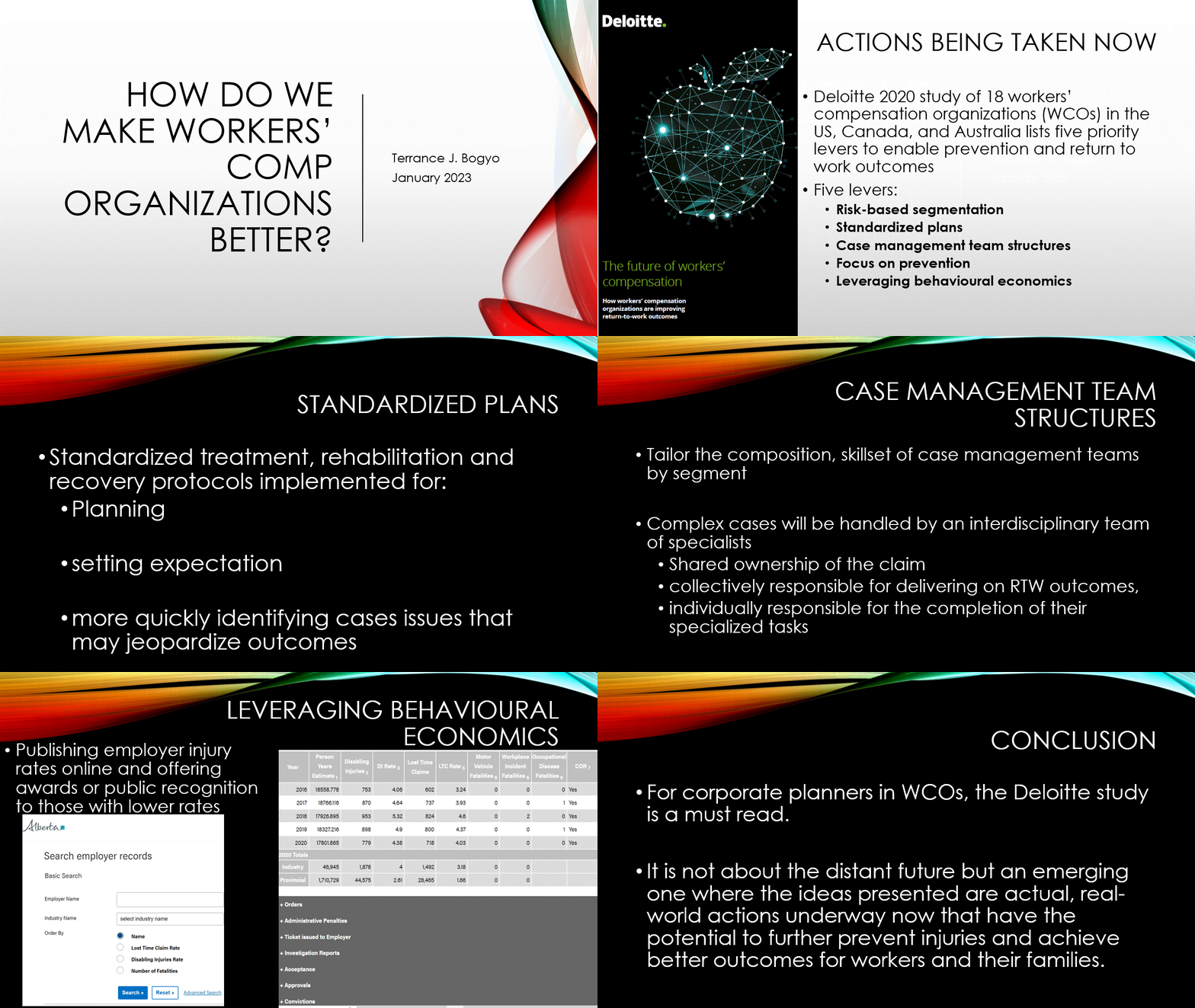
How do we make Workers’ Compensation organizations better?


The pandemic disrupted the operations and planning of many workers’ compensation organizations (WCO).  Researching and planning had to shift from strategic initiatives to tactical priorities of protecting staff and serving the workers and employers reliant on workers’ compensation.  As we transition to the post-pandemic era, planning for the longer term must gain in priority. 


The international consulting firm, Deloitte, published a study on the future of workers’ compensation organizations in 2020, just as the COVID-19 crisis was impacting services across the sector.  The timing of its release meant that many policy makers, boards of directors, and planners may have missed the analysis.  A link to the study at the end of this post.


The study is based on surveys of 18 workers compensation organizations in the US, Canada, and Australia.  It identifies five “levers” that workers’ compensation organization can use to shape the future of service delivery and outcomes.  The five levers are:

  • Risk-based segmentation
  • Standardized plans
  • Case management team structures
  • Focus on prevention
  • Leveraging behavioural economics


The study focuses the work and structure of WCOs on return to work (RTW) and recovery.   For many WCOs, this means a functional shift from internal processes focus of claims inventory management to better outcomes for workers in terms of health, safety, recover, and RTW. 


Risk-based Segmentation:


The majority of workplace injuries result in little or no time away from work.  Workers are often back on the job before a claim is fully established.  Identifying these cases as low risk in terms of difficulty in recovery, rehabilitation and return-to-work can streamline operations, improve customer service and focus resources where they are most needed. 


Many organizations are adopting “auto-adjudication” methods for more routine cases.  What is often missing from the system is segmentation based on the risk of failing to return to work or the difficulty of returning to work.  The study suggests that up to 80% of cases may be handled fully or mostly by automated systems.  This meets service expectations of injured workers wanting timely decision-making and payment of claims.  It also frees resources to focus on more complex cases including, shoulder, back, traumatic stress, occupational cancers, and fatalities. This is not just Pareto principle, example, but a practical imperative.


Organizations that stream or triage cases into specialty areas from the start of the claim are already well on their way towards fully risk-based segmentation.  I have seen specialty units set up for hand injuries where treatments are arranged and commenced before the claim is fully adjudicated and accepted.  Some agencies have experimented with sensitive and mental injury claims groups to adjudicate and case manage injuries related to harassment, assault and stress—claims with a high risk of lengthy recovery, recurrent disability, and difficulty in sustained, safe return to work.  Risk-based segmentation has the potential to make workers’ compensation organizations more efficient and better at optimizing worker outcomes.


Standardized plans:


The Deloitte study emphasizes the use of standardized plans.  This strategy follows from segmentation and takes different forms in different workers’ compensation organizations.  Case managers, treating physicians, and therapists can use standardized treatment, rehabilitation and recovery protocols as the basis for planning, setting expectation, and more quickly identifying cases issues that may jeopardize outcomes. 


Standardized treatment plans are not cookie cutters but starting points for taking those medium and higher complexity cases toward the objective of RTW and recovery.  These are not the old medical yardstick tools of the past.  Treatment and rehabilitation guidelines (See as an example, WorkSafeBC, Ankle Ligament Reconstruction Post-op Rehabilitation Guidelines,  available at https://www.worksafebc.com/en/resources/health-care-providers/guides/ankle-ligament-reconstruction ) provide the worker, case manager, and treating professionals with common understanding, expectations,  and roadmaps to RTW and recovery.  This standardization does not obviate the need for customization and active case management but does lead to consistent treatment, fewer delays and ultimately better outcomes.   Besides the transparency and predictability standardized plans offer, they also allow greater time for providing support to workers and their families.


Case management team structures


Having effectively and accurately segmented cases and standardized plans, WCO structures and systems need to be aligned to manage cases.  Injured workers with medium to high complexity injuries complain about case manager lack of understanding of their injury, constant hand-offs, and “churn” in personnel.  Injured workers often ask me, “Should it be up to me to training my case manager?” and “Why do I get someone new every time I call?.  They hear about a “team” approach but are never told what that means.  Rarely is the team members identified by name and responsibility.   


It is not just about structure.  It is about training and specialization that can implement the best practices of RTW consistently.  Mental health teams, for example, can be very effective if the teams have the deep understanding that comes with training and experience, often within a specific sector (particularly law enforcement, paramedical services, and healthcare).


Structures need foundations.  The infrastructure to support case management in the future WCO will not be the same as it was in the past.  Analytics and artificial intelligence will facilitate timely actions and flag cases where interventions are necessary.  This is not just about following schedules but integrating information to overcome barriers to RTW or impediments to recovery so they can be acted upon in a timely way.  Ontario’s WSIB, for example, offers the following “Specialty Programs” to:


…provide timely access to expert specialists for people with work-related injuries or illnesses. These programs specialize in recovery and achieving a healthy and safe return to work by conducting an assessment and providing interdisciplinary treatment for more complex injuries and illnesses.

(see WSIB, Specialty Programs, available at https://www.wsib.ca/en/specialtyprograms)


Focus on prevention!


Some seek to limit the concept of “prevention” of injury but a more inclusive definition that embraces the prevention of disability is needed.  This is not as clear in the Deloitte study as it should be.  While there is a nod to changes in terminology away from “injury management”  to language and practices consistent with recovery and return to work.


As the Deloitte study points out, the prevention mandate varies widely across WCOs.  About half the Canadian jurisdictions and a few jurisdictions in the US and Australia, the legislative mandate for  occupational health and safety including prevention is embodied in the workers’ compensation legislation or authority.   


Regardless of mandate, the study asserts,  “prevention efforts can support all WCOs in realizing sustained reductions in claims volumes and costs, higher safety literacy rates, and communal ownership of prevention.”  [p.15] 


WCOs can act directly within their mandates.  According to the survey, WCOs are now leveraging a focus on prevention to reduce injuries and prevent through”

  • Periodic workplace safety audits are conducted (50%)
  • Employer rating/pricing is tied into their implementation of health and safety programs (56%)
  • Work with employers to create customized safety programs for them (61%)
  • Employers are offered a menu of safety programs that they may implement and adopt as needed (61%)


The Deloitte study flags strategies that focus on cultural change within the workforce, third party collaborations to enable safety and prevention in the workplace and data analytics to support workers and employers in preventing injuries before they occur.  A prime strategy is to focus on industry and partner with employers, industry groups and labour organizations.  Dedicated departments focused on prevention initiatives with the personnel and budgets to initiate, sustain and expand preventions efforts are essential.

Examples such as the collaborative cultural change efforts include


Collaborative initiatives targeting segments of high risk, high complexity at their route are essential to effectiveness of this lever.  WCOs through collaborations and initiatives can bring predictive analytics, the latest research, retrospective data analysis and resources to bear on issues to prevent injury and disability as with  BC First Responders’ Mental Health (see http://conference.bcfirstrespondersmentalhealth.com/).


Leveraging behavioural economics


WCOs are learning to reach beyond the traditional disciplines of insurance and enforcement in finding ways to achieve a future state.  The Deloitte study highlights the power and potential of behaviour economics to better understand and influence the way people behave.  


WCOs have employer performance data on injuries, fatalities, inspections, and penalties that are too often hidden from the public, workers, and other employers. Overcoming the organizational inertia or limits of the WCO mandate is essential to bringing about this future state.


One of the  “future” behavioural economic approaches highlighted include publishing employer injury rates online.  A great example of this already exists in Alberta.  With the entry of an employer name, results covering up to five years of data are instantly available.  The data are rich and include person year estimates, disabling injuries, lost-time claims, workplace incident fatalities, occupational disease fatalities and much more.  Injury rates for the firm and the overall industry add to the context.  The database includes summaries of occupational health and safety orders, administrative penalties, and even convictions.  [See https://extern.labour.alberta.ca/ohs-employer-search/occupational-health-safety/employer-records-search.asp] .


The study also highlights research out of New South Wales that used behavioural economics:   

…to personalize support for workers and encourage them to actively participate in the recovery process. Practices included reducing the volume and detail of communications, reframing messaging to focus on recovery and RTW rather than on injuries, and having case managers provide more personalized support that was targeted to workers as individuals. [p 18]
 

 Closing comments


For corporate planners in WCOs, the Deloitte study is a must read.  It is not about the distant future but an emerging one where the ideas presented are actual, real world actions underway that have the potential to further prevent injuries and achieve better outcomes for workers and their families. 


The study “The future of workers’ compensation - How workers’ compensation organizations are improving return-to-work outcomes” is available at:  https://www2.deloitte.com/ca/en/pages/financial-services/articles/the-future-of-workers-compensation.html

Tuesday, July 5, 2022

Are workers’ compensation laws keeping up with changing demographics?

For more than twenty years I have been speaking about demographic change to workers’ compensation insurers in the hopes of spurring policy changes in advance of an aging workforce and greater numbers of older workers in the workplace.  To my regret, my presentations on “Demographic Effects”, while warmly received were not the catalyst for early and significant policy development. 

Population projections presented in the 1990s and early 2000s told us what was coming.  Now, the current census and population data growth confirm those projections. We new this was coming but many policies are still anchored in the past.


One key consequence of changing demographics in Canada, the US, and Australia is the increasing number of older workers in the overall population and the work force.  Workers’ compensation and occupational health and safety are not keeping pace.  The implications of demographic change are obvious:

  •     More older workers in the workplace
  •        More workers working beyond traditional retirement age

  •        
    More co-morbidities and longer recoveries following work-related injury, illness, or disease


We new these issues were coming based on static participation  and employment rates (employment to population ratios) additional economic factors have amplified the trends:

  •        Plummeting unemployment rates creating greater demand for retention of older workers
  •        Skyrocketing living costs driving more workers back to the labour force
  •        Rising job vacancies stoking demand for older worker recruitment and workforce re-entry.


Every corporate planner anticipated a pandemic would arise at some point.  The pandemic timing and its attack on older individuals added stress to a tight labour market:

  •        Aging cohorts of healthcare workers hitting retirement age just as demand for their services peak
  •        Industries like trucking/transportation with high average age have massive job vacancies, exacerbating supply chain woes
  •        Quarantine, isolation, and other prevention measures to control risk to workers driving required work absence with inadequate mechanisms for their support


For older workers, particularly those age 65 to 69, employment rates are trending higher. In the US (source: US BLS Current Population Survey, quarterly, non-seasonally adjusted 2002 and 2022 extracted June 2022):

  •       The employed non-farm labour force age 65 and over has increased by 2.5 times since 2002
  •        Nearly 20% of persons 65 and older is now employed in the labour force
  •        Nearly a third of persons aged 65 to 69 is employed
  •        36.4% of males aged 65 to 69 are employed (Q1 2022) vs. 29.5% in (Q1 2002).


Canadian data reveals a similar pattern (Statistics Canada: Labour Force Characteristics – unadjusted - Table: 14-10-0017-01):

·       The employment rate of 65- to 69-year-old has more than doubled from under 13% to more than 26% (May 2002 to April 2022)

·       Employment rate of women aged 65 to 69 has increased more than 2 and a half times over the same period (May 2002 to April 2022)


State and provincial data often show even more dramatic shifts. Extracting provincial data from the same series, British Columbia has seen a massive shift in the employment of workers age 65 and older:

  •       The monthly unadjusted BC employment rate of 65- to 69-year-olds now routinely exceeds 35%
  •        More than a third of males (36.2% average) and a quarter of females (25.7% average)  age 65 to 69 are employed (Jan-Apr 2022)

A recent Australian study reflects similar increases in participation among older workers (Australian Institute of Health and Welfare (2021) Older Australians, accessed 10 May 2022):

  •        Older Australians (aged 65 and over) had a workforce participation rate of 15% (19% for men, 11% for women).
  •        The workforce participation rate of older Australians more than doubled (from 6.1% in 2001 to 15% in 2021) in the last two decades.
  •        The participation rate for men 65 and over almost doubled (from 10% to 19%); for women aged 65 and over, the participation has almost quadrupled (from 3.0% to 11%).


The rapidly growing number of older citizens, record demand for labour, economic imperative of rising prices, and the social shift towards working later in life mean the workplace is seeing and will continue to see more older workers.


Many workers’ compensation systems impose limits on benefits for older workers.  Legislation developed twenty or thirty years ago may have reflected a social context that anticipated early retirement; “freedom 55” may have been a mantra decades ago.  Today’s data show the trend is much to the contrary:  working well beyond normal retirement is becoming both a societal expectation and an economic imperative for many older workers.


Most Canadian jurisdictions have some sort of age restriction on receiving workers’ compensation.  The duration of temporary total or partial disability is typically limited to two years following the date of injury for most workers age 63 and older, although there are exceptions for those with documented working plans or typical later retirements. Some jurisdictions have similar restrictions beginning a little later or providing longer duration (Quebec with age 64 and four years maximum) or a little earlier (Manitoba age 61).  Permanent disability provisions are increasingly limiting on-going financial support for workers over age 65 after prescribed duration limits but typically continue to cover disability-related medical and certain other perspectives. (See AWCBC, Workers’ Compensation – Temporary Total Disability Compensation, accessed June 16, 2016 from https://awcbc.org/en/summary-tables/benefits-and-rehabilitation/)


Most US jurisdictions do not have an explicit age limit on temporary total benefits, but many have other limitations on benefits that effectively truncate or permanent benefits for workers of all ages after a certain number of weeks (104 weeks in West Virginia, 312 weeks in Utah, 500 weeks in South Carolina as examples).


Permanent Total Disability may be paid for life or as long as the disability lasts ( see Wisconsin, South Dakota, Nebraska, and Iowa as examples) or have explicit duration limits (300 weeks in Alabama for example) or age limits linked to Social Security retirement ( as in Montana and Tennessee).


Some jurisdictions have evolved their coverage over time. In Minnesota, permanently disabled workers may receive benefits for life, to a presumed retirement age of 67 or 72, or for a term of 5 year depending on when the injury occurred.    


In many states, there are “settlements” or “compromise and release” arrangements (as in California) that may capitalize a present value award but typically factor in jurisdictional limits.  (See NASI, 2021 Workers’ Compensation Report – 2019 Data [Appendix D- Table D] – retrieved June 16, 2022 from https://www.nasi.org/research/workers-compensation/workers-compensation-benefits-costs-and-coverage/)


Australia’s coverage provisions under the individual state workcover schemes are varied.  Western Australia removed its restrictions in 2011, Queensland does not have a retirement provision per se but does have a five-year maximum provision.  Some states have a 12  or 24 month provision (New South Wales, Australian Capital Territory), or more complex provisions.  Take Victoria’s coverage of retirement provisions (as extracted from Safe Work Australia,  Comparison of workers’ compensation arrangements in Australia and New Zealand (2019), [Table 2.4e] as retrieved June 16, 2022):

Retirement age means the age at which the worker attains pension age within the meaning of the Social Security Act 1991 (Cth).  Under s171, workers are not normally entitled to payments under the Act after attaining retirement age, except in the following circumstances:
if injured within the period of 130 weeks before attaining retirement age or at any time after attaining that age, the worker is entitled to weekly payments for no more than the first 130 weeks of incapacity for work — s169, Workplace Injury Rehabilitation and Compensation Act 2013 or

           if worker’s incapacity after reaching retirement age relates to an injury suffered within the preceding 10 years and if the incapacity is due to inpatient treatment, the worker is entitled to weekly payments for a limited period of up to 13 weeks — s170, Workplace Injury Rehabilitation and Compensation Act 2013


It may be late in this demographic shift but not to late for workers’ compensation law and policy makers to come to grips with this reality.  Here are some suggestions:

1.        Review current law and policy through the lens of older workers to ensure needs are properly addressed.

2.       Recognize that with age often come co-morbidities and conditions that may extend recovery and claim duration that require additional time or treatment over the standard

3.       If legislation limits are triggered by ages such 61, 63, 65 or 67 or indirectly by a cited “social security” eligibility, revisit these limits and increase them at least for the population 65 to 70 where the data clearly show large increases in participation and employment rates.


A glance at the population pyramids as they stand now or projections for the next few decades show this shift is not over.  And unless the population under 50 grows naturally or through significant immigration, the participation of even greater numbers of older workers in the labour force is likely.  Hopefully, public policies can catch up and keep up with this workplace reality.


Monday, March 23, 2020

How prepared are workers’ compensation systems for COVID-19?


Regardless of the workers’ compensation model (private insurance, competitive state fund, exclusive state fund), every insurer has to prepare for the unexpected. Afterall, insurance is the transfers the financial risk of rare but costly events from the insured to the insurer.  As noted in my last post, the COVID-19 event most certainly is a rare event and just as assuredly will result in accepted workers’ compensation claims.  How each workers’ compensation insurer will fair in this reality depends greatly on past actions to:

  • Understand the risk
  • Plan for the financial consequences, and
  • Prepare for the operational impact


Like all large business, workers’ compensation insurers identify their risks through environmental scanning, SWOT analysis, and risk ranking exercises.  Then comes the hard part:  putting in place the financial and operational contingency plans to ensure the resilience of the organization at a time it is needed most.  Low probability but high impact events like the COVID-19 pandemic may be identified but what happens next depends on the leadership.   

Corporate planning exercises are internal to the organization and not necessarily subject to public scrutiny making it hard to know how many workers’ compensation insurers saw COVID-19 coming and what, if anything, they did to prepare. Identifying past events and their impacts—how well we have learned from past events- is critical to such preparations.

The “Unknown” occupational disease risk in workers’ compensation

When workers’ compensation systems started a century ago, the focus was “industrial accidents” .  Few “industrial diseases” were included in early legislation and typically by industry or process ( things like lead poisoning in smelting or sulfur poisoning in coal mining) and not diseases.   The “Spanish Flu” pandemic of 1918 provided ample proof that a pandemic virus was a real risk to workers particularly in healthcare centres. 

The formulation of workers’ compensation legislation in most jurisdictions prevented workers’ compensation systems from accepting claims for previously unknown or scheduled diseases.  This limitation was noted at the time.  For example, one jurisdiction’s annual report noted:

As an example of the limitations of the Act, it may be mentioned that during the severe epidemic of Spanish influenza in the fall of 1918, many inquiries, telephonic and otherwise, were made as to whether the influenza was covered by the Act, some of the inquirers claiming that it was due to their daily work. There could, of course, be only one answer to these inquiries, that the influenza, though a great misfortune, could not by any stretch of imagination be considered as an accident arising out of employment.
[Source: Second Annual Report of the Workmen’s Compensation Board of the
Province of British Columbia For The Year Ending December 31st 1918, Page U11]
As the tone of the passage suggests, the worker’s compensation authority saw the lack of coverage as a gap in the legislation.  The then chairman wrote:

In the closing months of the last year we have been compelled to reject a number of claims arising out of the influenza epidemic, in which mothers with small children made application for pensions. One case was particularly painful. When informed that we must reject her claim, the mother of eight small children asked us in desperation: "What am I to do?" We were unable to answer. She withdrew from the Board room accompanied by two of her frightened children clinging to her skirts, and one in her arms, to answer the question as best she could. These experiences also compel us, at the risk of being censured for going outside of our sphere, to call attention to the enormous wastage of life, health, and happiness through failure or inability to obtain medical attention.
[Source:  1918 Annual report ibid., page U47]

Over time, most workers’ compensation systems adapted to include coverage for occupational diseases.  The Spanish flu killed 675,000 in the US (population in 1918 was 103 million) and an estimated 40 million worldwide (when the population was about 1.8 billion).
From a workers’ compensation perspective, the possibility of a new disease suddenly emerging to injure and kill workers in the course of their employment was no longer an unknown risk.

“Known unknowns”

The idea that a new work-related disease could emerge was proven out when in other serious outbreaks less deadly than the Spanish influenza pandemic.   The 1957-58 “Asian flu”, for example,  infected 20% to 40% of the population but the death rate was much lower (excess deaths estimated at 66,000 in the US).  Other influenza viruses have spread quickly around the world, often resulting in harm to workers particularly those in the medical field where close contact lead to transmission and illness.  These include the “Hong Kong flu” of 1968, various strains of “Avian flu” and “Swine flu”.
[I've included a list of notable pandemics from Madhav N, Oppenheim B, Gallivan M, et al. Pandemics: Risks, Impacts, and Mitigation. In: Jamison DT, Gelband H, Horton S, et al., editors. Disease Control Priorities: Improving Health and Reducing Poverty. 3rd edition. Washington (DC): The International Bank for Reconstruction and Development / The World Bank; 2017 Nov 27. -Table 17.1, Chapter 17] 

Serious illness from pandemic virus became a serious topic in “business continuity” and “disaster management” in the corporate and government world in the late 1990s.  Concern over Y2K, increasingly serious natural disasters such as hurricanes, and disruptions through terrorism such as the September 11th attacks pushed the evaluation of risk from the academic classroom and actuarial backrooms to corporate boardrooms.  Annual reviews of risks and business continuity plan testing became part of the corporate culture.  In hospitals and government offices, contingency plans were developed for many risks but one epidemic helped spur some workers’ compensation systems to take specific action to prepare for the “know unknown”:  the emergence Severe acute respiratory syndrome (SARS).

The 2003 SARS outbreaks in Ontario and British Columbia in particular provide hard lessons on the human and financial cost of work-related disease.  I attended a policy conference a few years later where one presenter noted that more than 400 claims were received by the WSIB for SARS exposure,  more than 160 for SARS illness, and two fatalities.  In a reflection of the risks associated with working at the front lines of medicine,  98% of accepted claims were from women in healthcare.  If you are unfamiliar with what happened during the SARS outbreak, you may find the following reference informative:
Low DE. SARS: LESSONS FROM TORONTO. In: Institute of Medicine (US) Forum on Microbial Threats; Knobler S, Mahmoud A, Lemon S, et al., editors. Learning from SARS: Preparing for the Next Disease Outbreak: Workshop Summary. Washington (DC): National Academies Press (US); 2004. Available from: https://www.ncbi.nlm.nih.gov/books/NBK92467/
Anticipating the next pandemic

Workers’ compensation insurers were certainly aware of the risk of pandemics.  The risk was publicly acknowledged and actively planned for.  One annual report noted:
In 2003, Canadians saw Severe Acute Respiratory Syndrome (SARS) strike with devastating human economic costs. In 2004, the avian influenza virus put workers at risk and resulted in millions of birds being destroyed. In both cases, the original source of human infection was an animal. The potential threat posed by diseases crossing over from animals has been identified as a serious risk to humans by the World Health Organization. These “zoonotic” diseases have had very limited health impact on B.C.workers to date; however, in the event of an outbreak of a highly contagious disease, front-line caregivers may be at increased risk. These diseases are within the scope of coverage by the Workers Compensation Act if the worker contracts the disease in the course of, and arising out of, duties related to his or her employment.
WorkSafeBC,  2004 Annual Report and 2005-2007 Service Plan

In corporate planning and business continuity departments, pandemic planning was on the agenda.  Those charged with these tasks amplified the messages from experts.  The many public appearances and analysis of Michael T. Osterholm over the last twenty years, the assessments of the World Health Organization, and the rankings of the World Economic Forum may not have been on everyone’s reading list but business continuity planners and disaster management professionals certainly understood the risk.   “Team sites” were prepared, operational impacts and costs were estimated in some workers’ compensation systems.  Risk ranking exercises in finance departments often included the pandemic risks and actions were taken in many workers’ compensation insurers to operationally and financially manage (or at least buffer) the impact of the known pandemic risk with an unknown arrival date. 

A Current Risk

To be clear, pandemic risk has been on the agenda for years.  Researchers have raised the alarms but not every government or insurer was listening.  In hindsight, these warnings seem eerily prescient.  For example, this top finding from the Global Health Security Index [October 24, 2019] was alarming—at least to those who read them:

Countries are not prepared for a globally catastrophic biological event, including those that could be caused by the international spread of a new or emerging pathogen or by the deliberate or accidental release of a dangerous or engineered agent or organism

The World Economic Forum noted the risk of pandemic in many of its reports over the last fifteen years. Most recently, its Global Risk Report 2020 placed infectious diseases among the top ten impacts and noted:

Global health security risks. Considerable progress has been made since the Ebola epidemic in West Africa in 2014–2016, but health systems worldwide are still under-prepared for significant outbreaks of other emerging infectious diseases, such as SARS, Zika and MERS. [P. 76]

Major reinsurers like MunichRe  and SwissRe identified the risks and set up their own units or plans for pandemics and cooperated with the World Bank to launch the Pandemic Emergency Funding Facility in 2016.  Other large reinsurers certainly identified the risk.  The consequences of higher death rates across all demographics during a largescale pandemic on life insurance underwriters and government social insurance as well as on workers’ compensation insurers. Reinsurers and large insurers often provided tools and assessments to help insurers identify the risk and make plans accordingly.  [see Aon’s  https://www.aon.com/InfectiousDiseaseResponse/default.jsp for example].
For any insurer, these assessments made the risk clear.  How each prepared in light of this information will determine how well they will weather the consequences during of the current pandemic. 

Preparing for the inevitable…

Operational contingency plans often included building system access and redundancies.  If one office or headquarters was quarantined or significant numbers of staff were disabled in a particular centre, operations could continue elsewhere.  The ability of workers’ compensation insurers to shift to work-from-home models were developed and tested.  These operational contingencies were not necessarily in anticipation of pandemic or local outbreak but based on more generally on the availability of staff and facilities after or as a disruptive event unfolds.  Scenario planning included a variety of possible disruptions from earthquakes to an outbreak and even scenarios that may have sounded farfetched at the time:
Due to the cruise ship, cargo and air traffic through Vancouver, it is possible that emerging diseases will be identified here in BC and that workers in health care, transport and hospitality will develop compensable disease.
[WCB of BC,  “Future Risks: Issue specific environmental scan” 1998].

As with most insurers, workers’ compensation insurers create “reserves” for risks like these.  Occupational disease reserves and disaster reserves are commonly developed and funded.  The robust market returns and extended economic growth cycle since the Great recession (2007-2009) have allowed reserves to be built up for many insurers.  Whether present reserves will be sufficient is an open question.  No one yet knows the extent to which work-related COVID-19 will result in workers’ compensation claims but injury, illness and fatality claims arising from this pandemic are already entering workers’ compensation systems world wide.

Aside from reserves, funding strategies may include reinsurance. Reinsurance is a way for a firm or insurer to share the financial risk of large losses.  You can think about it as insurance for insurers.  As a strategy, it may insulate any one insurer but that assurance comes at a cost.  Premiums and deductibles may be high.  Just how each insurer manages its pandemic risk will vary.  Whether to establish reserve, reinsure, do both… or neither, is a choice for any risk.  Now that this particular eventuality risk has become manifest, the consequences of those choices will begin to be reflected in financial statements. 

Enter the Pandemic and the need to adapt

The COVID-19 pandemic is still unfolding and its impact on the economy and insurers is uncertain at best.  The impact on workers battling the pandemic, supporting the ill, and keeping the essentials of society running is unknown. 

In this pandemic, quarantine is becoming a bigger issue.  The lag in disease development and the potential for asymptomatic and pre-symptomatic individuals make quarantine and isolation a priority especially for first responder, healthcare workers and others providing direct care to those who are ill or vulnerable particularly the elderly.  Large numbers of first responders and healthcare workers are being sidelined because of work exposures.  Quarantine is for the well exposed but not infected.  The period of quarantine may mean lost wages and psychological pressure on workers and their families. 

As I noted in my last post, quarantine is not typically compensated by workers’ compensation legislation.  This may be changing. Washington state “is taking steps to ensure Workers’ Compensation protections for health care workers and first responders who are on the front lines of the COVID-19 (coronavirus) outbreak.”  The news release states:

L&I [Washington State’s Department of Labor and Industries is immediately changing its policy around workers’ compensation coverage for health care workers and first responders who are quarantined by a physician or public health officer. Under the clarified policy, L&I will provide benefits to these workers during the time they’re quarantined after being exposed to COVID-19 on the job.https://www.governor.wa.gov/news-media/inslee-announces-workers-compensation-coverage-include-quarantined-health-workersfirst 
Workers’ compensation systems have expanded their coverage over the last century to include more occupational disease.  Science has led us to better understand the work-relatedness of occupational illnesses and workers’ compensation systems have adapted to the benefit of both workers and employers.  Their varying degrees of preparedness for this pandemic will be revealed over time but workers and employers will undoubtedly be relying on workers’ compensation systems well after the pandemic peaks. Any shortcomings in their preparation should not jeopardize the benefits and supports promised by workers’ compensation laws. Those with work-related illness and first responders forced into quarantine by medical order need to be supported financially regardless of past decisions or policies.   

Will there be a significant cost?  Of course. Medically ordered quarantine, however, is necessary to protect others on the front line and the rest of us.  These workers and their families are already sacrificing so much; they should not have to suffer lost wages, use vacation time or consume sick leave because of their dedication in spite of the risk.  It is not as if they can quit their jobs and be free of the quarantine.  They are, for all intents and purposes, totally disabled from work by virtue of their exposure and the medical risk that carries for everyone.

Workers’ compensation has evolved its coverage in the past.  Perhaps now is the time for a further evolution along the lines proposed in Washington state.